Get Phone Battery Replacement for Affordable Pricing
iPhone Fix: Common Problems and How to Get Back Up and Running Fast
iPhone users frequently encounter numerous challenges that may disrupt their everyday activities. Common problems include battery degradation, cracked screens, and connectivity issues. Such problems can frequently be fixed through straightforward diagnostic steps. However, knowing when to attempt a fix and when to seek professional help can be essential. Grasping these considerations can avoid additional damage and ensure devices stay operational. What are the best strategies to address these common concerns effectively?
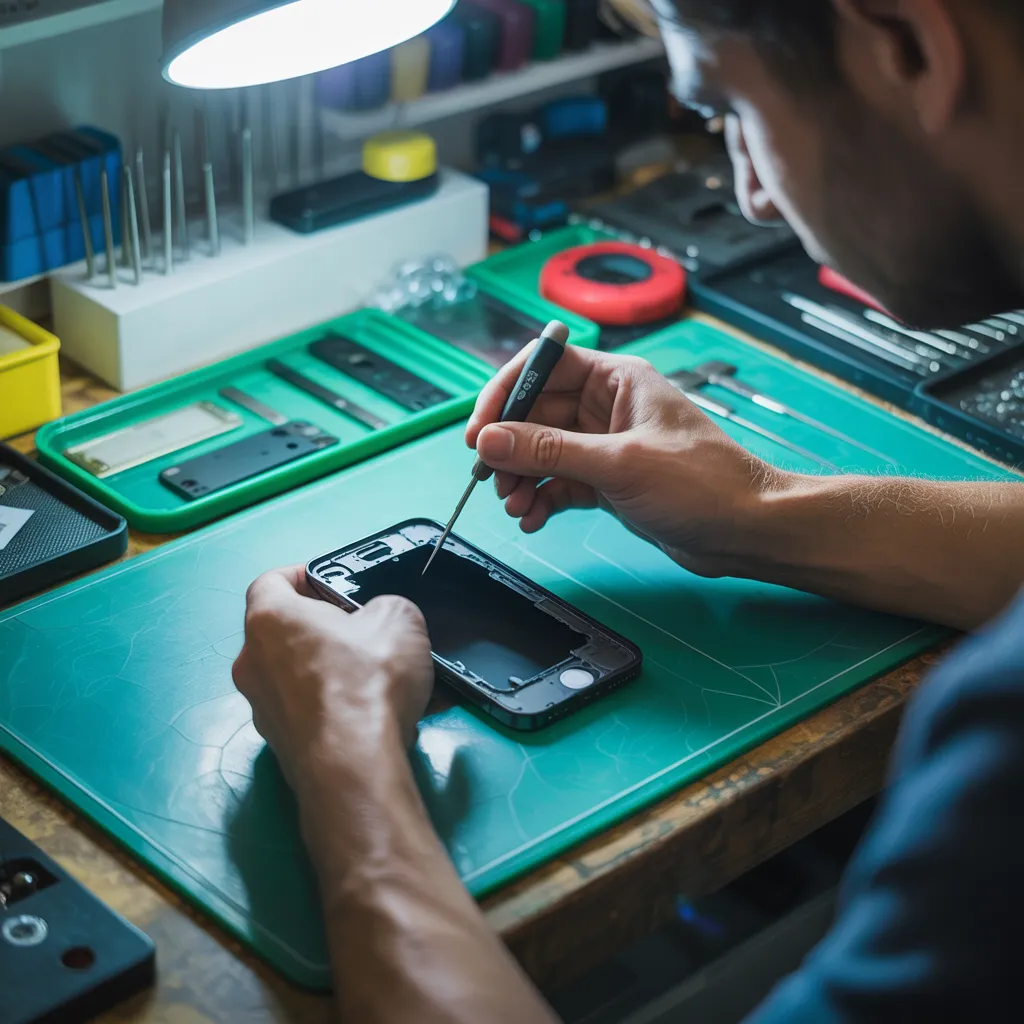
Common iPhone Problems You Might Encounter
What frequent challenges do iPhone users experience? A significant number of iPhone users deal with various difficulties that can affect their overall experience. One widespread concern is declining battery performance, typically leading to devices demanding more regular charging. Individuals might also experience software malfunctions, including applications shutting down without warning or the operating system freezing up. Connection challenges, encompassing disruptions to Wi-Fi, Bluetooth, or cellular networks, can result in users feeling helpless and cut off.
One other prevalent problem relates to storage space, where individuals notice their devices exhausting available storage due to the accumulation of applications, pictures, and additional content. Additionally, many users encounter problems with the touchscreen, such as sluggish performance or failure to respond. In addition, camera malfunctions, like blurry images or failure to open, can detract from the overall functionality of the iPhone. Resolving these problems quickly can improve user experience and extend the life of the device.
Rapid Repairs for Cracked Screens
Cracked screens can severely impact the usability of an iPhone, leading users to look for fast remedies. One of the most common temporary fixes is to apply a screen protector, which can assist in stopping additional damage and reducing the visibility of cracks. Additionally, using clear tape can mitigate sharp edges and reduce the risk of injury.
For individuals who prefer hands-on approaches, certain homeowners suggest using a combination of water and baking soda to form a thick paste that may fill minor cracks. Nevertheless, this technique offers no certainty and might only function as a brief remedy.
At the end of the day, the best solution remains seeking professional repair or replacement. Many repair centers offer quick processing times, allowing users to restore their devices efficiently. While such temporary solutions can provide temporary relief, having a professional handle the issue is the best long-term strategy for maintaining device integrity and functionality.
How to Resolve Charging Issues
Once screen damage has been resolved, many users encounter charging problems that can hinder how their device operates. Typical concerns involve a malfunctioning charging port, faulty cables, or software glitches. When attempting to troubleshoot the problem, users should first inspect their charging cable and adapter for any noticeable damage. Using a separate cable or adapter can help determine if the accessories are the source of the problem.
Furthermore, cleaning the charging port with a soft brush or compressed air can eliminate debris that could block the connection. Should the issue continue, a device restart may address any short-term software glitches.
In certain situations performing a settings reset may prove beneficial, though this should be approached cautiously. When nothing else seems to work, seeking professional repair services may be necessary. Tackling charging complications without delay maintains ongoing device performance and helps prevent further damage.
Fixing Battery Drain Issues
Battery consumption concerns can considerably influence the performance of an iPhone. Identifying applications that consume excessive power is vital for resolving this issue efficiently. Additionally, optimizing power settings can contribute to extended battery duration and overall efficiency.
Find Apps That Are Draining Your Battery
Recognizing power-hungry apps is critical for sustaining the overall health of an iPhone. Users can start by heading to the Settings app, choosing "Battery," and examining the battery usage data. This menu reveals which apps drain the most battery, giving details about likely power-draining applications. Frequent culprits typically include social media apps, streaming platforms, and GPS-based applications. Moreover, background app activity can play a major role in battery depletion; as a result, observing apps that run in the background is necessary. Users ought to also evaluate updating or deleting apps that repeatedly exhibit high power usage without cause. By recognizing these resource-heavy applications, iPhone users can take proactive steps to enhance battery life and improve overall device functionality.
Optimize Power Settings
Optimizing power settings plays a key role in addressing battery drain issues on an iPhone. Users can start by activating Low Power Mode, which limits background tasks and display effects. Modifying screen brightness and turning on Auto-Brightness can also extend battery longevity. Additionally, switching off excess notifications and background app refresh assists in lowering energy consumption. Users are encouraged to turn off location services for applications that have no need for it, as GPS samsung battery replacement hanham bristol functionality tends to consume considerable battery power. To conclude, keeping the device updated to the newest iOS version can enhance battery optimization capabilities. By implementing these adjustments, users can effectively enhance their iPhone's battery performance and prolong its usability throughout the day.
Identifying and Resolving Common Software Glitches
Software glitches can greatly impact the operation of an iPhone, leading to problems like unresponsive screens and app crashes. Understanding these typical problems is vital for users looking for effective fixes. Luckily, numerous rapid solutions are frequently accessible to recover performance and improve the complete user experience.
Frequent Software Issues
Numerous iPhone users experience common software glitches that may interfere with their usage. Such problems frequently appear as unresponsive applications, abrupt shutdowns, or reduced speed. Users might additionally experience issues with connection capabilities, such as Wi-Fi or Bluetooth, which might unpredictably stop working. Additionally, notifications might not appear as expected, causing important updates to go unnoticed. Operating system updates can at times create new issues, leading to user confusion and dissatisfaction. Another prevalent issue involves battery drain, where the device consumes power more rapidly than usual, often linked to background processes. Recognizing these issues promptly can help users seek appropriate solutions and sustain peak device operation. Understanding the nature of these software problems is essential for effective troubleshooting and ensuring a smooth user experience.
Rapid Solutions Available
Addressing software bugs quickly can significantly enhance the total iPhone performance. Common quick fixes include rebooting the device, which frequently corrects minor problems like freezing or app failures. Another reliable remedy is upgrading the iOS, as newer versions feature bug fixes and enhancements. Deleting the app cache can also help, especially for apps that perform poorly. For stubborn problems, resetting preferences—without wiping data—can reestablish usability. Device users may also find value in backing up important data and carrying out a factory reset as a last option. These quick fixes enable users to address software bugs competently, minimizing downtime and boosting the operation of their iPhones. Above all, remaining proactive can secure a more seamless journey with the unit.
When You Should Seek Professional iPhone Repairs
When an iPhone shows recurring issues that basic troubleshooting fails to address, it may be time to seek professional repairs. Frequent warning signs consist of persistent crashing, touch screen failures, or excessive battery depletion. When the device sustains physical damage, such as a cracked display or moisture infiltration, an immediate professional inspection is strongly encouraged.
Additionally, unusual software behavior, including apps freezing or failing to install updates, can point to underlying system issues that call for expert attention. Individuals should also explore expert repair services upon experiencing issues with critical functions, for example the camera or connectivity features.
Attempting to fix complex problems without expertise can lead to further damage or data loss. Ultimately, recognizing when to engage professional help can save time, reduce frustration, and guarantee the iPhone is restored to peak functioning condition.
Practical Tips to Keep Your iPhone Running Well
Preserving the health of an iPhone requires regular attention and simple practices that can significantly improve its lifespan. It is advisable to regularly update the software to gain access to the latest security fixes and capabilities. Regularly deleting unnecessary apps and files can recover valuable storage capacity, enhancing overall functionality. Maintaining cleanliness of the device, inside and out, is essential; this means cleaning the display and clearing debris from charging ports.
Proper battery maintenance is crucial; refraining from exposure to extreme temperatures and using partial charging cycles can extend battery longevity. Employing a screen protector and a robust case can defend your iPhone against physical damage. Furthermore, it is important for users to regularly back up their data to avoid loss during a malfunction. Monitoring battery usage in settings helps identify resource-draining apps that can be optimized or deleted. By following these guidelines, iPhone users can keep their devices performing at peak efficiency and reliability for many years ahead.
Common Questions and Answers
Is It Possible to Fix My iPhone on My Own Without Voiding the Warranty?
Fixing an iPhone independently can void the warranty, particularly if non-certified materials or approaches are utilized. Device owners should consult Apple's official guidelines or professional services to guarantee protection of their warranty while addressing device issues effectively.
What Are the Best Ways to Prevent Water Damage to My iPhone?
To safeguard an iPhone against water damage, you should utilize waterproof protective cases, steer clear of using the device in moist conditions, and make certain all ports are properly sealed when near moisture. Routine upkeep can also help reduce potential risks.
What Are the Warning Signs That My iPhone Battery Needs Replacing?
Indicators that an iPhone requires a battery replacement include sudden battery drain, unexpected shutdowns, excessive heat, a swollen casing, and reduced performance. Additionally, users might experience prolonged charging times or the phone being unable to charge at all.
How Regularly Should I Update My iPhone's Software?
Upgrading iPhone's operating system should occur regularly, preferably every few weeks or when a new version becomes available. This ensures peak performance, security improvements, and the opportunity to explore new features, ensuring the device operates efficiently and securely.
Will Third-Party Accessories Have an Effect on My iPhone's Performance?
Using third-party accessories may potentially impact iPhone functionality. Poor compatibility or substandard quality might cause device malfunctions, decreased efficiency, or potential damage, emphasizing the importance of choosing reliable accessories to ensure optimal device performance.